The Packing List That Keeps Growing
A race-day packing list can stay useful without swelling into a gear closet: sort essentials by the event plan, then choose extras with a clear purpose.
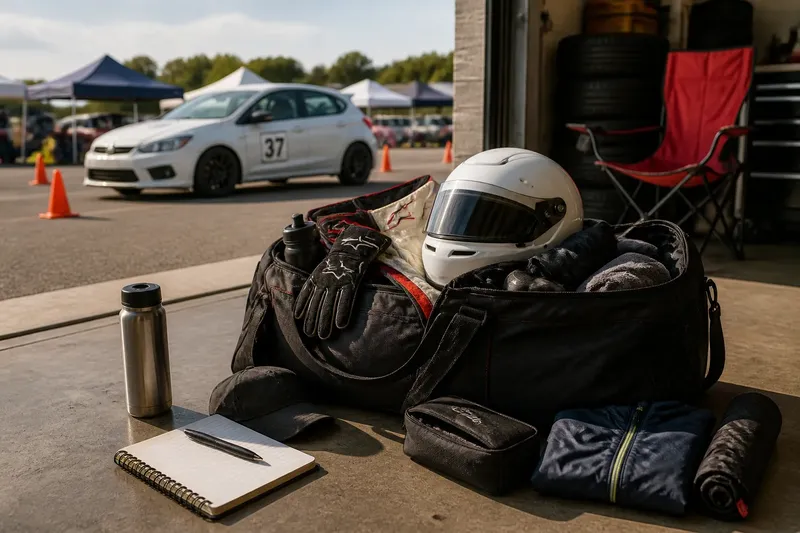
You set your race-day bag beside the door, then add a second pair of gloves, a spare towel, and a gadget you have not used since last season. A race-day packing list grows this way: each extra item seems harmless on its own, until the bag becomes a portable archive of every possible problem.
The fix is not to pack less by instinct. It is to sort what belongs to the event plan from what belongs to an imagined emergency, then choose a packing style that suits your race and your habits.
Start with the event plan
Before opening drawers, check the event’s schedule and participant information. A short autocross session, a track-day format, and a multi-stage rallycross event can ask for very different equipment and between-session supplies. Your bag should reflect the format you are actually entering.
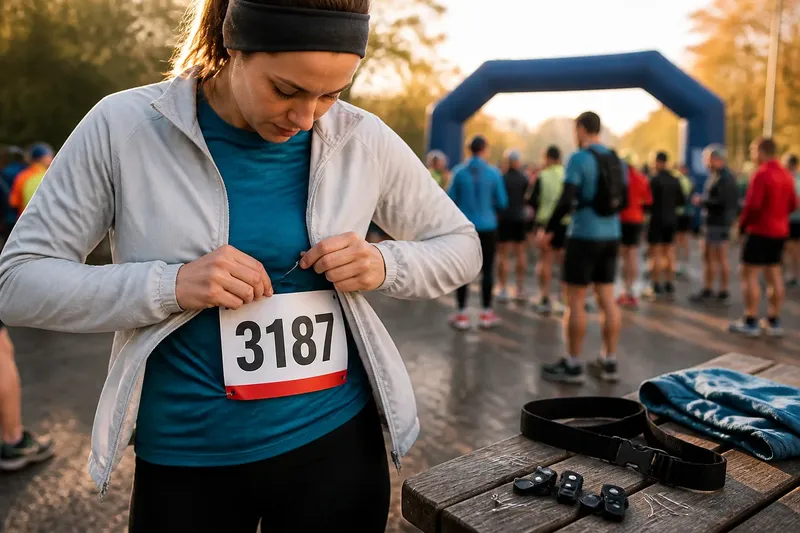
Make a short core list from confirmed needs: required protective gear, your race number or mounting method, clothing appropriate to the forecast, water, and any supplies explicitly requested by the organizer. Add your own known essentials, such as prescription medication, only as relevant to you. Do not treat a familiar item as mandatory just because it has traveled to every event.
For protective equipment and vehicle-related items, follow the event rules and the manufacturer’s instructions. Requirements can vary by discipline, venue, and equipment, so check the relevant guidance rather than improvising from an old list.
Three packing approaches
The event-only bag
This approach carries confirmed requirements and personal essentials, with little beyond them. It suits a local event with a clear schedule, a nearby car, and easy access to your usual supplies. It is also a good reset after a bag has accumulated forgotten gear.
The tradeoff is that comfort items and small conveniences may be absent. If you choose this style, make the core list carefully and avoid stripping it down so far that you leave behind something the event requires.
The planned-comfort bag
This version adds a small group of useful items matched to the day: a folding chair for long waits, a rain shell when showers are forecast, or a notebook for recording setup notes. It suits participants who expect downtime or know that a particular condition affects their day.
Its strength is deliberate comfort, not endless contingency. Each addition has a reason tied to the venue, schedule, weather, or a routine you actually use. The limit is that every item should still earn its place in the space it takes up.
The modular kit
A modular kit keeps the core race bag separate from optional packs. For example, a weather pouch might hold a shell and dry socks, while a maintenance pouch contains only items allowed and useful for your event. This suits regular participants whose events vary, or anyone who wants to add one relevant module rather than repack from scratch.
Modular packing can quietly become another form of overpacking if every pouch comes along by default. Keep the modules stored separately and select them only after checking the event plan.
How do you choose?
What counts as an event essential?
An essential is something required by the organizer or needed for your participation, not merely an item that might conceivably help. Confirmed safety equipment belongs in this category; a second version of a convenience item usually does not.
Should I pack for bad weather?
Use the forecast and the venue’s conditions to decide whether weather gear belongs in the bag. A shell or dry layer may have a clear purpose when rain is expected; several speculative clothing changes may not.
What if the schedule changes?
Check whether the organizer provides updates and whether you can reach your vehicle or a designated storage area between sessions. If access is limited, add the small items that address the specific constraint rather than packing for every imaginable delay.
How do I decide on a spare?
Ask whether the spare protects a confirmed need, replaces a known wear item, or solves a problem you have actually encountered in this kind of event. If its role is vague, leave it out and note the question for your next packing review.
Give extras a job
A simple test keeps speculative extras from multiplying: name the situation an item is for, say where it will be used, and decide what you would do if it were not packed. If the answer is only “maybe,” the item is a candidate to leave at home. If it addresses a likely condition and would be awkward to fetch later, it may belong in a chosen module.
Say you are entering a local autocross with a posted schedule, a clear forecast, and your car parked nearby. You might pack the required gear, water, a cap, and a notebook, while leaving the bulky rain tarp and spare changes of clothes in storage. The observable result you want is a bag you can carry easily and a race day where each item has a defined use—not a promise that no surprise will arise.
Choose a stopping point
Once the list is sorted, pack from it rather than reopening the question item by item. Put required gear together, keep personal essentials easy to reach, and leave optional modules aside unless the day’s conditions call for them. A short note on the bag can identify items to replace or review after the event.
For your next race-day packing list, choose the event-only, planned-comfort, or modular approach before you start adding gear. The best choice is the one that fits the actual schedule and leaves you able to find what you brought; anything without a clear job can wait for a better reason.